
Does Dog Poop Attract Rats to Your Yard?
- Aug 22
- 4 min read
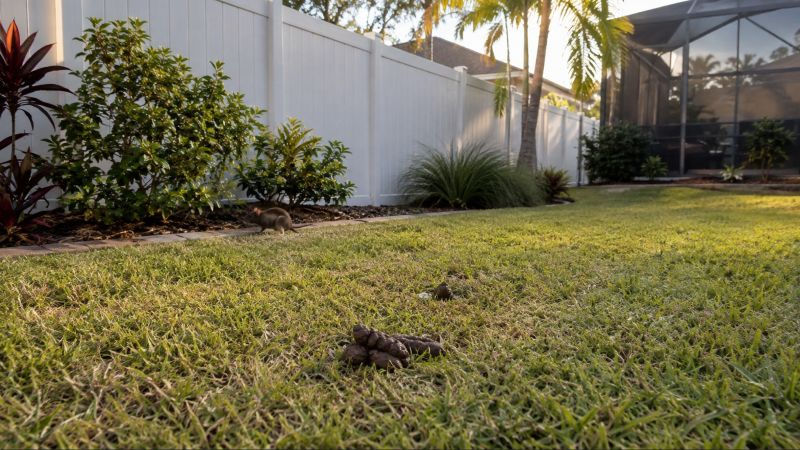
Yes. Rats eat dog feces, so dog poop left in the yard provides an available food source.
Removing it eliminates one food source from a property, but dog waste is only one part of the conditions that support rat activity. Residential properties also provide rats with other food, water, shelter, and access.
For Port Charlotte dog owners, the practical takeaway is straightforward: keep pet waste picked up instead of leaving another food source available around the yard.
Why Rats Will Eat Dog Poop
Rats are opportunistic feeders that use a wide range of food sources around homes and yards.
The University of California Integrated Pest Management Program specifically tells homeowners to clean up feces from dogs, cats, and other animals because rats eat feces. Its guide to rats around homes and landscapes also addresses outdoor pet food, garbage, fallen fruit, nuts, and other accessible food sources.
That puts dog poop in a different category than a backyard mess that is only unpleasant to step around. When waste remains on the lawn, it is food that rats will eat.
Regular pet waste removal in Port Charlotte removes that source instead of leaving piles scattered throughout the property between cleanups.
Dog waste matters, but understanding the rest of the property helps explain why picking it up is one part of reducing what attracts rats.
Dog Poop Is Only One Food Source Rats Find Around a Yard
Seeing a rat in the backyard does not mean dog poop is the only reason it is there.
UF/IFAS Extension Sarasota County explains that residential properties provide rodents with food, water, shelter, and access. Its Florida guidance identifies outdoor pet food, garbage, fallen birdseed and fruit, standing water, clutter, and openings into structures as conditions homeowners should address.
Their guide on how to make your property less attractive to rodents explains the broader steps Florida homeowners can take beyond removing pet waste.
Around a Port Charlotte property, that means looking beyond the dog’s bathroom area. A yard also gives rats access to resources such as:
Pet food left outside
Fallen fruit
Birdseed on the ground
Accessible garbage
Standing water
Dense vegetation
Yard clutter and sheltered areas
Openings into sheds, garages, or the home
Dog waste belongs in that broader picture because rats eat feces. Removing it takes away one available food source, while the rest of the property still needs to be considered for other food, water, shelter, and access.
Missed Dog Waste Leaves More Feces Available
Every pile left in the yard remains available until it is found and removed.
That becomes more important as waste accumulates between cleanups. One dog adds new piles throughout the week, and each additional dog increases the amount that has to be located during the next yard inspection.
Our guide explaining how much dog waste one dog produces each week shows how repeated bathroom trips build into a much larger weekly amount than one trip outside suggests.
Waste also ends up in places that are easy to overlook. Fence lines, shrubs, landscaping borders, sheds, taller grass, and narrow side yards hide piles from a quick view across the lawn.
A cleanup that removes nine piles and misses the tenth still leaves dog feces available in the yard. A consistent inspection pattern reduces the chance that those hidden piles remain between cleanups.
Signs Rats Are Already Using the Property
Pet waste removal is yard maintenance. It is not rat control.
When rats are already established around a home, picking up dog poop removes one food source but does not address an existing rodent population by itself.
UC IPM identifies signs of rat activity around residential properties that include:
Rat droppings
Gnawing or feeding damage
Burrows around landscaping or structures
Rats traveling along fences or utility lines
Nests around stored materials
Digging around sheds or doghouses
At that point, the problem extends beyond pet waste. The property needs to be evaluated for rodent activity and the other resources or access points supporting it.
Get The Scoop provides pet waste removal. We do not provide pest-control or rat-removal services.
Keep Dog Waste From Building Up Between Cleanups
The pet-waste part of the solution is straightforward: remove the feces instead of allowing it to accumulate.
Walk the full accessible pet area and check the locations where waste is easy to miss, including fence lines, landscaping edges, narrow side yards, and taller sections of grass. Using the same inspection pattern each time makes it easier to cover the entire yard instead of searching only the obvious areas.
Cleanup frequency also determines how much waste remains outside between visits. A yard cleaned on a consistent schedule has less accumulated feces waiting to be found than a yard allowed to build up for an extended period.
Homeowners deciding how much time to leave between cleanups will find a schedule comparison in our guide to how often to pick up dog poop in Port Charlotte.
Pet waste removal does not promise a rat-free property. Its role is much more specific: keep dog feces from remaining available as another food source.
Remove One Food Source From Your Port Charlotte Yard
Rats eat animal feces, which makes dog poop left in the yard an available food source.
Dog waste is not the entire explanation for rat activity around a property. Food, water, shelter, and access elsewhere around the home also matter. But dog poop is one source homeowners have a straightforward way to eliminate: pick it up consistently.
Get The Scoop provides professional pet waste removal in Port Charlotte with weekly and twice-weekly recurring service. Each recurring visit includes inspection of accessible pet areas, dog waste removal, secure bagging, placement in the customer’s outdoor trash container, included yard deodorizing, and a gate security check before leaving the property.

Comments