
Does Rain Wash Dog Poop Away in Port Charlotte?
- Jul 26
- 5 min read
Updated: Aug 2
Rain does not wash dog poop away. Heavy rain soaks the pile, flattens it into the grass, breaks it into smaller pieces, and moves loose residue toward lower parts of the property.
The waste becomes harder to see, but it remains in the lawn or leaves the yard with stormwater runoff. In Port Charlotte, summer storms send water toward roadside swales, drains, retention ponds, and canals based on each property’s drainage layout.
The right approach is to remove visible dog waste before heavy rain and inspect the yard again after the storm passes.

Why Dog Poop Looks Gone After Rain
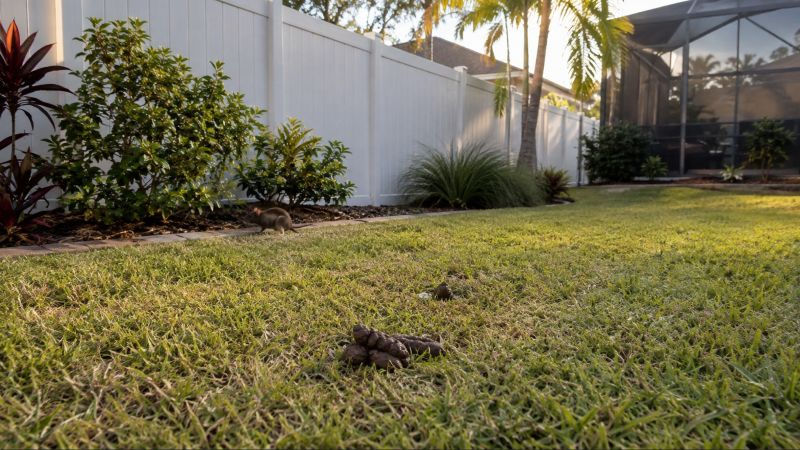
Fresh dog waste sits above the grass with a defined shape and visible edges. Rain saturates the pile, removes that shape, and presses the softened material between wet grass blades.
The original pile no longer stands out when viewed from a patio, lanai, or back door. Smaller pieces remain beneath the top of the lawn, while residue clings to grass and settles against the soil.
Wet conditions also darken the ground and press grass blades together. That combination hides waste that stood out clearly before the storm. Several warm, rainy days create another layer of cover as the lawn gains height.
This hidden-waste problem is why pet waste removal in Port Charlotte requires a full inspection of accessible pet areas instead of a quick look across the yard.
Once runoff starts moving across the property, the next question is not whether the pile disappeared. The next question is where the waste went.
Where Rainwater Moves the Waste
Stormwater runoff follows the slope and drainage path of the property. As water moves across the ground, it picks up loose material from lawns, driveways, streets, and other surfaces.
On Port Charlotte properties, those drainage paths lead toward roadside swales, storm drains, retention ponds, freshwater canals, or low sections of the yard. Pet waste does not need to sit beside a canal for runoff to carry pieces or residue away from the original pile.
Charlotte County’s stormwater management guidance explains that runoff travels through local canals and rivers toward Charlotte Harbor. The county identifies pet waste as one of the pollutants that moving water carries from developed properties.
The Environmental Protection Agency’s guidance on pet waste and nutrient pollution states that improperly disposed pet waste contributes nitrogen, phosphorus, parasites, and bacteria to water bodies. The EPA also explains that roadside storm drains lead directly to local waterways in areas where runoff receives no treatment.
Rain does not dispose of the waste. It transfers material from the pile into the lawn, soil, drainage system, and surrounding environment. Even when the waste stays inside the yard, its wet condition creates a more difficult cleanup.
Why Wet Dog Waste Takes More Work to Remove
Dry dog waste holds its shape and lifts away from the lawn with less residue left behind. Rain-soaked waste sticks to grass blades, separates into smaller pieces, and smears when a scoop or rake passes underneath it.
Soft ground creates another obstacle. The waste presses into damp soil instead of resting above it, especially in sections of the yard where dogs return during bathroom trips.
Leaves, grass clippings, mulch, and other yard debris hide softened waste after a storm. Waste beside a fence line or beneath taller grass loses the clear outline that makes a dry pile easy to identify.
A thorough wet-weather cleanup requires a deliberate walking pattern. Checking one section at a time keeps hidden areas from being skipped and prevents the same part of the yard from being searched repeatedly.
Removing visible waste before rain arrives preserves the shape of the pile and reduces the amount of residue left in the lawn. That makes the pre-storm inspection the easiest place to begin.
What to Do Before Heavy Rain
Walk the yard before a period of heavy or repeated rain and remove every visible pile. Start with the areas your dog uses each day, including familiar spots near fence lines, gates, shrubs, side yards, sheds, patios, and quiet corners away from the house.
Use a consistent route instead of wandering across the property. Begin at the gate, follow the perimeter, check the middle of the lawn, and finish around landscaping, patios, and outdoor structures. A repeatable path reduces missed areas.
Place the waste in a secure bag and put it in the trash. Do not use a garden hose to push it toward the street, driveway, swale, storm drain, or canal. Moving it with water puts the waste directly into the drainage path that carries runoff away from the property.
A set cleanup schedule keeps this task from depending on the forecast. The guide to how often to pick up dog poop in Port Charlotte explains how the number of dogs, yard size, and backyard use determine the right frequency.
The pre-storm cleanup removes existing waste. A second inspection is still necessary because dogs continue using the yard while the weather moves through.
How to Inspect the Yard After the Storm
Wait until outdoor conditions are safe, then walk the same route used before the storm. Do not rely on what is visible from the house. Wet grass, fallen leaves, and poor contrast against dark soil make new waste harder to identify from a distance.
Pay close attention to:
Thick grass along fence lines
Low sections where water collects
Shaded areas that stay wet longer
Narrow side yards
Spaces behind sheds and outdoor equipment
Mulched areas beside the lawn
Areas near patios, lanais, and gates
Check the yard from more than one direction. A pile hidden behind wet grass from one angle becomes visible when approached from the opposite side.
Complete this inspection before mowing. Mower wheels press soft waste into the lawn, while blades break exposed material into smaller pieces across the cutting area. Finding and removing each pile first keeps one missed spot from becoming a wider mess.
One storm requires a before-and-after check. A full rainy week creates a different problem because postponed cleanups allow new waste and taller grass to accumulate together.
Why Cleanup Falls Behind During a Rainy Week
Rain does not stop dogs from using the yard. New waste continues accumulating while wet conditions make older piles harder to see and remove.
Port Charlotte’s summer weather also supports fast grass growth. A pile that sits above the lawn at the beginning of the week becomes covered as the surrounding grass gains height. Leaves and small debris from repeated storms add another layer of concealment.
The weekly total is easy to underestimate when each bathroom trip adds only one new pile. The explanation of how much dog waste one dog produces each week shows why the complete accumulation looks much larger than the amount visible after one trip outside.
Skipping cleanup until the yard becomes completely dry creates an unreliable routine during stretches of afternoon storms. A fixed schedule keeps the amount manageable and prevents several missed visits from turning into one extended search through wet, overgrown grass.
Keep Your Port Charlotte Yard Cleaner During Rainy Season
Rain makes dog waste harder to see, moves loose residue through the property, and turns dry piles into a more difficult cleanup. It does not remove the need to pick up after your dog.
The practical solution is to remove visible waste before heavy rain, inspect the yard after the storm, and maintain a schedule that does not depend on several consecutive dry days.
Get The Scoop provides professional pet waste removal in Port Charlotte for homeowners who want help keeping up during the rainy season. Recurring visits include an inspection of accessible pet areas, pet waste removal, secure bagging, placement in the customer’s outdoor trash container, included yard deodorizing, and a gate security check before leaving.
Contact Get The Scoop to request a free quote and choose a recurring schedule that fits your property and number of dogs.
Comments