
Why Does Dog Poop Smell Worse in Hot Weather?
Dog poop smells stronger in hot weather because feces contains volatile odor-producing compounds, and warmer conditions increase the release of odor-producing gases from animal waste into the air.
The research behind that explanation comes from two different places. Studies of dog and cat feces identify the compounds responsible for fecal odor, while research on livestock manure shows that temperature affects emissions from animal waste. The livestock research is not a dog-specific measurement, so there is no accurate formula for how much stronger a pile of dog poop smells at a certain temperature.
For a Port Charlotte homeowner, the result is familiar. Waste that is easy to ignore during a cooler morning becomes much more noticeable after sitting outside as the yard heats up.

What Heat Changes About Fecal Odor
Dog feces contains odor-producing compounds including ammonia, aliphatic amines, indoles, phenols, and volatile sulfur-containing compounds. Research on odor-causing compounds in dog and cat feces identifies these compounds as contributors to fecal odor.
Separate research examining livestock manure found that temperature affected the release of ammonia and hydrogen sulfide. Research on odor release from livestock manure found higher emissions of both gases at 30 to 35°C than at the lower temperature ranges tested.
That study examined pig manure rather than dog feces. It does not establish how much stronger dog poop smells at a particular outdoor temperature. It does provide evidence that higher temperatures increase the release of odor-producing gases from animal waste.
For a Port Charlotte homeowner, this helps explain why dog waste left outside becomes harder to ignore as the backyard heats up through the day.
Removing the waste removes the source of those compounds instead of leaving it outside as temperatures rise. That is one reason pet waste removal in Port Charlotte becomes especially noticeable as a yard-maintenance issue during hot weather.
Several Missed Piles Create Several Odor Sources
One pile creates one odor source. Several piles spread across the property create odor from several locations at the same time.
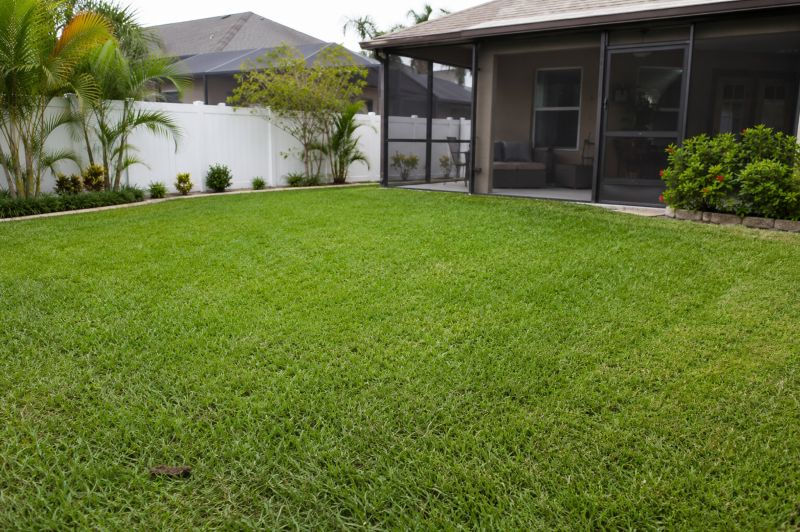
Dogs use different sections of a backyard during repeated trips outside. Waste ends up near fence lines, landscaping, side yards, gates, and open sections of lawn. When cleanup falls behind, the smell no longer comes from one obvious location.
That explains why someone sitting on a lanai or walking across the backyard smells dog waste without immediately seeing the pile responsible for it. The source sits somewhere else in the yard, or several piles contribute to the odor at once.
The total builds faster than one trip outside suggests. Our breakdown of how much dog waste one dog produces each week explains how repeated bathroom trips create a much larger weekly accumulation than a homeowner sees during any single trip outside.
Heat makes each existing odor source more noticeable. Accumulation increases the number of those sources spread throughout the yard.
Summer Rain Makes the Odor Source Harder to Find
Port Charlotte’s summer heat comes with another backyard problem: afternoon rain changes the condition and appearance of waste left in the grass.
Rain saturates a pile, removes its defined shape, and presses softened material between grass blades. After the storm, the waste remains even though the original pile becomes harder to locate.
When the yard heats up again, the odor source is still present.
This creates a different problem from heat itself. Heat affects how noticeable the odor becomes. Rain affects how easily the homeowner finds the source.
Our guide explaining what happens to dog poop after heavy rain in Port Charlotte goes deeper into wet waste, stormwater runoff, and why dog poop appears to disappear after a storm.
Keeping the two mechanisms separate matters. Hot weather explains the stronger odor. Rain explains why finding and removing the source becomes more difficult.
Where to Check When the Yard Still Smells
When dog poop odor remains after the obvious piles have been removed, inspect the areas that are easy to miss during a quick cleanup.
Check:
Along fence lines
Behind shrubs
Beside sheds
Narrow side yards
Around gates
Along the edge of the lanai
Beneath taller grass
Around landscaping borders
Areas your dog returns to during bathroom trips
Walk through the property instead of scanning it from the patio or back door. Grass, landscaping, outdoor equipment, and changes in viewing angle hide small piles from a distance.
Check the outdoor trash container as well. Bagging waste removes it from the lawn, but the bagged waste remains in the container until trash collection. If the odor is concentrated around the container instead of across the backyard, searching the grass again will not address that source.
Finding where the smell originates comes before deciding how to address what remains.
Removing the Waste Comes Before Deodorizing
Deodorizing should follow pet waste removal, not replace it.
The first step is physical removal. Pick up the visible waste, inspect the less obvious areas of the yard, secure the waste in a bag, and place it in the outdoor trash container.
A consistent cleanup schedule prevents several days of waste from sitting throughout the property at the same time. The appropriate frequency depends on the number of dogs, the amount of waste accumulating between cleanups, and how the household uses the yard.
Our guide to how often to pick up dog poop in Port Charlotte explains how those factors fit into a recurring cleanup schedule.
Get The Scoop follows the same order during recurring service. Accessible pet areas are inspected and dog waste is removed before the included yard deodorizing treatment is applied.
Deodorizing addresses the yard after the physical waste has been removed. It does not replace finding and picking up piles still sitting in the grass.
Keep Hot-Weather Dog Poop Odor Under Control in Port Charlotte
Dog poop smells worse in hot weather because dog feces contains volatile odor-producing compounds and research on animal waste shows that higher temperatures increase the release of odor-producing gases.
The dog-specific research identifies what contributes to fecal odor. The livestock research establishes the temperature-emission relationship, but it does not provide a dog-specific measurement of how much stronger the odor becomes at a particular temperature.
In the backyard, controlling the smell starts with removing the source. Pick up waste before several piles accumulate, inspect the places where your dog uses the yard, check hidden areas after summer rain, and deodorize only after the physical waste has been removed.
Get The Scoop provides professional pet waste removal in Port Charlotte with weekly and twice-weekly recurring service. Each recurring visit includes inspection of accessible pet areas, pet waste removal, secure bagging, placement in the customer’s outdoor trash container, included yard deodorizing, and a gate security check before leaving the property.
Contact Get The Scoop for a free quote if you want a regular cleanup schedule that keeps dog waste from sitting in your yard through another hot Port Charlotte week.

Comments