
Why Does My Backyard Still Smell Like Dog Poop After I Pick It Up?
If your backyard still smells like dog poop after you picked it up, the cleanup likely missed a pile or left smaller pieces of softened waste hidden in the grass.
Dog waste is easier to remove when every pile is visible and holds together. The job becomes harder when grass covers part of it, rain breaks it apart, or several piles are spread across different sections of the yard.
For Port Charlotte homeowners, finding the remaining source takes more than looking across the lawn from the patio. A closer inspection of the places where waste hides is the first step.
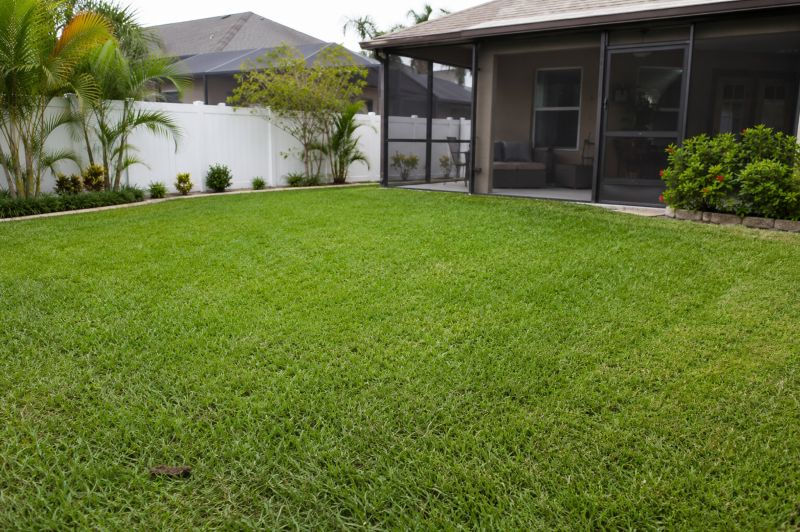
A Clean-Looking Yard Can Still Have Missed Waste
Picking up every pile you immediately see does not guarantee that every pile was found.
Fence lines, shrubs, landscaping borders, sheds, side yards, taller patches of grass, and the edges of a lanai block the view of small areas from across the yard. A pile sitting behind grass or beside landscaping disappears from one viewing angle while remaining visible from another.
That is why a complete cleanup requires walking through the accessible pet areas instead of scanning the property from one location.
Get The Scoop uses that approach during pet waste removal in Port Charlotte. Accessible pet areas are inspected during recurring service so the cleanup is based on physically checking the yard rather than only removing what stands out from a distance.
If the obvious piles are gone but the odor remains, the next place to look is beneath and between the grass blades.
Soft or Wet Dog Waste Is Easier to Miss
Rain changes the condition of dog waste before cleanup.
A dry pile has a defined shape that stands above the lawn. Once rain saturates it, the waste flattens, separates into smaller pieces, and settles farther between the grass blades. Your yard looks cleaner because the original pile is harder to recognize, not because every piece has disappeared.
Port Charlotte’s repeated summer rain makes this especially relevant when cleanup gets postponed through several storms.
Our guide explaining what happens to dog poop after heavy rain in Port Charlotte shows how wet waste changes shape and becomes harder to locate after a storm.
After removing softened waste, check the surrounding grass instead of stopping as soon as the largest portion is gone. Small pieces left beneath the grass still mean the physical waste has not been completely removed.
More Dogs Mean More Waste to Find
A yard with two or three dogs accumulates more waste between cleanups than a yard with one dog over the same period.
That creates a straightforward inspection problem. More piles have to be located before the yard is finished.
The difficulty increases when those piles are spread among open grass, fence lines, landscaping, and other accessible areas. Missing one pile during a quick walk leaves another odor source behind even though the majority of the yard was cleaned.
This is one reason cleanup frequency matters more as the amount of waste increases. Allowing several days of additional waste to accumulate creates a larger search on cleanup day.
Homeowners deciding how much time to leave between cleanups can use our guide on how often to pick up dog poop in Port Charlotte to compare cleanup schedules based on the number of dogs and the amount of waste building up between visits.
Once the schedule is right, the next improvement is using the same search pattern every time.
Walk the Yard in a Pattern Instead of Searching Randomly
Randomly walking around the backyard makes it easy to check one area twice and skip another completely.
Use the same route each time you clean.
Start at the gate and follow the fence line around the perimeter. Check behind shrubs, around landscaping borders, beside sheds, and through narrow side yards as you move. After completing the outside edge, work across the open lawn in sections.
Then inspect the areas closest to the house, patio, and lanai.
Looking at the grass from different directions also helps. Taller blades hide a small pile from one side and expose it from the other.
A repeatable route turns the cleanup into an inspection instead of a search based on whatever catches your eye first. When the entire accessible yard has been covered, you have a much better basis for deciding whether the physical waste is gone.
Only then does deodorizing make sense.
Remove the Waste Before Deodorizing the Yard
Deodorizing should come after pet waste removal.
Spraying a deodorizing product while piles or pieces of waste remain in the lawn does not complete the cleanup. The physical waste still needs to be found, picked up, securely bagged, and removed from the grass first.
Get The Scoop follows that order during recurring service. The pet areas are inspected, dog waste is removed and securely bagged, and the included yard deodorizing treatment is applied afterward. The bagged waste is placed in the customer’s outdoor trash container as part of the service.
That distinction is important for a homeowner trying to solve a backyard odor problem. Do not start by covering the smell. Start by making sure the source is no longer sitting somewhere in the yard.
Hot weather also changes how noticeable fecal odor becomes. Our guide explaining why dog poop smells worse in hot weather covers that temperature-and-odor relationship separately rather than confusing it with the problem of missed waste.
Get Rid of the Source of Backyard Dog Poop Odor
If your backyard still smells like dog poop after cleanup, inspect it again for missed piles and smaller pieces of softened waste. Check fence lines, landscaping, taller grass, side yards, and other areas that are difficult to see from the house. Use a consistent walking pattern so every accessible section gets checked.
Removing the physical waste comes first. Deodorizing comes afterward.
Get The Scoop provides professional pet waste removal in Port Charlotte with weekly and twice-weekly recurring service. Recurring visits include inspection of accessible pet areas, pet waste removal, secure bagging, placement in the customer’s outdoor trash container, yard deodorizing, and a gate security check before leaving the property.
Contact Get The Scoop for a free quote if you want the yard checked and cleaned on a regular schedule instead of tracking down missed dog waste yourself.


Comments